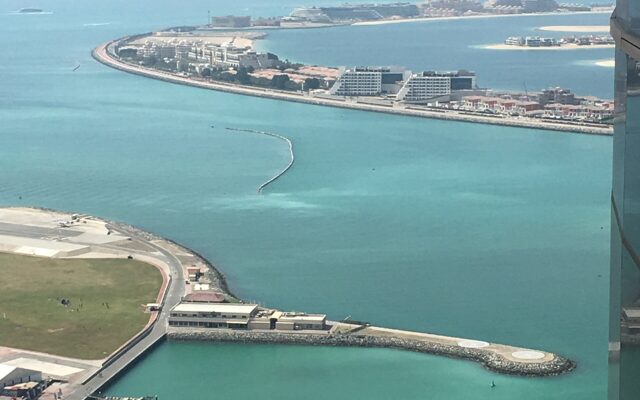
Moving from Denmark to Dubai is a study in contrasts: from bicycle lanes and dark winters to a car-friendly city of sunshine, from a small close-knit society to one of the most international populations on earth. Danish expats are a modest but well-established presence in Dubai, often arriving for roles in shipping, logistics, engineering, design, healthcare and hospitality. What surprises most of them is how quickly the city stops feeling foreign — and how the things they miss from home are small, specific and findable with a little effort. This guide covers community, food and the everyday adjustments that make life here work.
Finding the Danish community
The Danish community in Dubai is not enormous, which makes it warmer: people tend to actually show up. Start with the social channels rather than formal institutions. Danish and wider Scandinavian social groups organise brunches, national-day gatherings and informal meet-ups, and the Nordic business community runs networking events through the Scandinavian business councils that operate in the UAE. Searching social media for Danish or Scandinavian groups in Dubai, and checking noticeboards at international churches and community venues, will surface most of what is on.
Celebrations anchor the year. Danes gather around Constitution Day in June — often marked with a relaxed get-together rather than anything formal — and Christmas is the big one, with Danish-style julefrokost lunches, church services in Danish or shared Scandinavian services where available, and imported Christmas food appearing in specialist shops. If you arrive mid-year, do not wait for December to make friends: join a sports league, a running club or a parents’ group at your children’s school, where Scandinavian families tend to find each other quickly.
A taste of home: Danish food in Dubai
You will not find a Danish bakery on every corner, but the essentials are reachable. Dubai’s larger supermarkets and specialist European food stores stock Scandinavian products at import prices — expect rye bread mixes and occasionally frozen rugbrød, remoulade, pickled herring, Danish butter (which is widely available and genuinely Danish), liquorice in sweet and salty forms, and seasonal imports in the run-up to Christmas. As a guide, imported Scandinavian specialities typically cost two to three times their Danish shelf price, so most expats stock up on trips home and treat Dubai purchases as top-ups.
For smørrebrød cravings, a few Scandinavian cafés and hotel restaurants in the city have run Nordic menus or themed nights over the years; menus change, so search current listings rather than trusting old reviews. Many Danes end up making open sandwiches at home — with good rye bread, butter, herring and a schnapps substitute of your choosing, a Friday lunch can feel remarkably like Aarhus. Pork products and alcohol are sold in Dubai only through licensed outlets and specific supermarket sections for non-Muslims, so plan a proper shop rather than assuming a corner-store run.
Everyday adjustments that catch Danes out
- The summer: June to September heat reshapes the day. Danes used to cycling everywhere shift to early-morning exercise, indoor sports and mall walking; outdoor life returns gloriously from October to April.
- Work culture: Danish flat hierarchies meet a more formal, title-conscious business culture. Directness is valued differently here — the same honesty, wrapped in a little more courtesy, works best.
- Paperwork rhythm: Life runs on the Emirates ID, and everything from banking to a phone contract links back to it. Get it sorted early and many frustrations never happen.
- Hygge, redefined: Candlelit winter cosiness becomes balcony evenings, desert trips and beach clubs in the cool months. The instinct survives; the season flips.
- Distance from family: With flights home at roughly six to seven hours when non-stop services operate, Denmark is closer than Australasia but far enough that video calls and a standing summer trip home become rituals.
Family life, schools and staying healthy
Danish families generally choose among Dubai’s international schools — British, IB and other curricula — since there is no Danish-curriculum school in the emirate. School fees are a major budget item, typically running from around AED 30,000 to well over AED 80,000 per child per year as a guide, depending on the school and age group, so check whether your employer package contributes. Healthcare is employer-insured and private-sector by default; Danes used to the public Danish system find Dubai’s clinics fast and appointment-friendly, provided your insurance network covers the providers you actually want to use. Keep your Danish CPR-related affairs in order before you leave — deregistration, tax position and health coverage status all have rules for Danes moving abroad, set out on borger.dk.
Keeping one foot in Denmark
Most long-term Danish expats settle into a rhythm: Dubai for work, sunshine and savings; Denmark for summer, family and the green quiet that nowhere else quite replicates. Maintain your Danish bank account and MitID access, keep your Danish paperwork current, and stay registered correctly with the Danish authorities for your situation. Join the Danish traveller registration while resident here, follow Danish news lightly rather than obsessively, and give the city a full year — including one full summer — before judging it. Many who planned two years are still happily here in year seven.
FAQ
Is there a Danish school in Dubai?
No Danish-curriculum school operates in Dubai; Danish families use international schools offering British, IB or other curricula. Verify current schools and fees directly with each school.
Can I buy Danish food in Dubai?
Yes, in larger supermarkets and specialist European stores — butter, pickled herring, remoulade and liquorice appear regularly, with more choice before Christmas, at import prices.
How do Danes meet each other in Dubai?
Through Scandinavian social and business groups, school parent networks, sports clubs and seasonal gatherings around Christmas and national celebrations. Online community groups are the fastest starting point.
Dubai will not give you a Danish winter, and it will not try to. What it offers instead is a warm, busy, international life with a small Danish circle that looks after its own. For more expat life guides and neighbourhood advice, visit DXB Talk and browse the Lifestyle category archive.