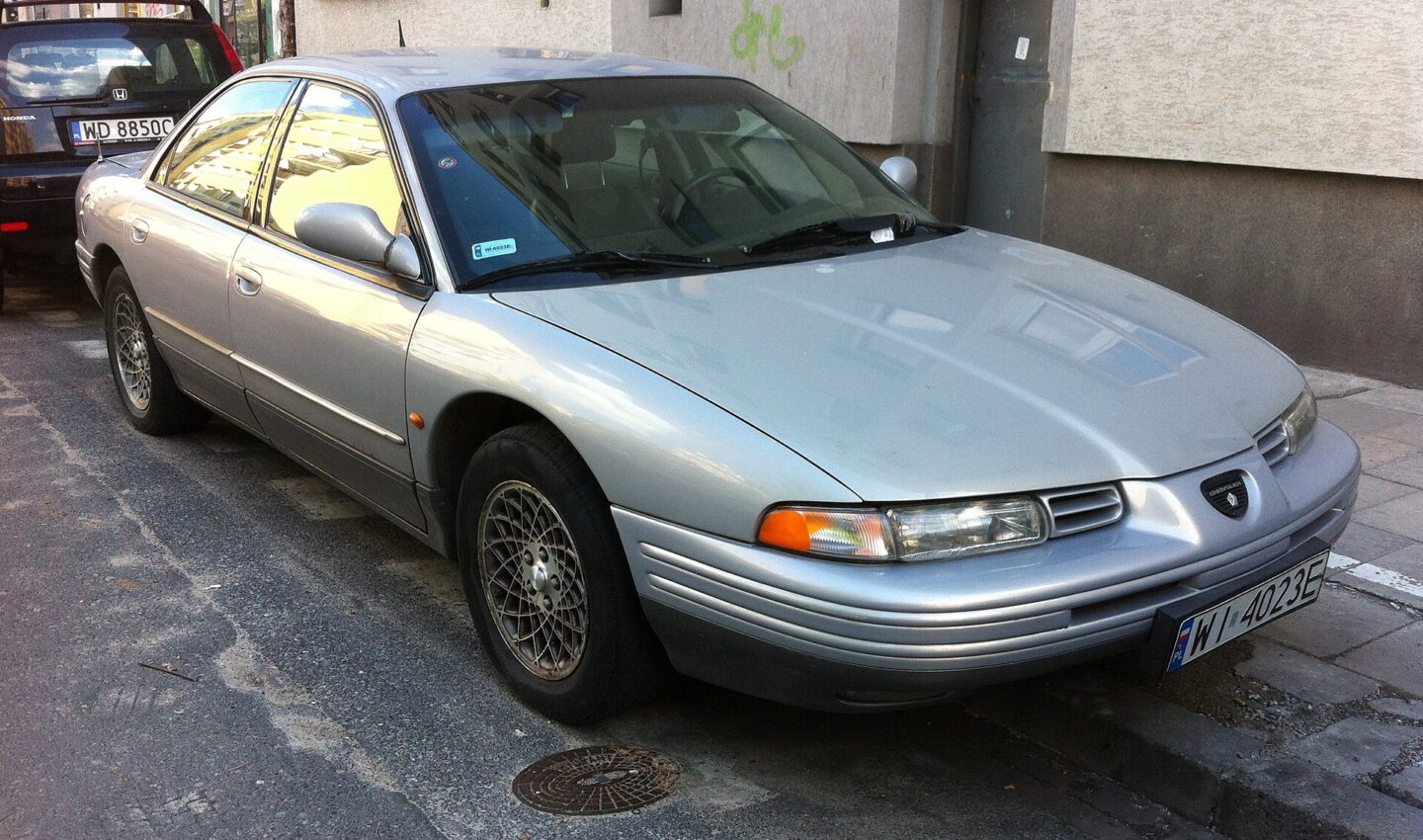
Remote workers leaving the UAE with a car they own do not have to sell it in a hurry: exporting your car is a well-established process involving the RTA, customs and a shipping company, and it runs smoothly when fines, loans and export documents are sorted before your visa cancellation date closes in. Start at least a month before you leave, because shipping schedules and bank clearances rarely bend to a flight booking.
Decide First: Export, Sell, or Ship Later?
Exporting makes sense when the car is paid for, in good condition, and worth more to you abroad than its Dubai sale price, or when your destination allows left-hand-drive imports without heavy conversion costs. Check your destination country’s import rules before anything else: age limits, emissions standards, import duty and whether the model can be registered there at all. Some remote workers sell a financed or older car locally instead, because export costs, typically shipping, insurance and destination taxes combined, can outweigh the car’s value. Get one shipping quote early so you are deciding with real numbers, not guesses.
Clear the Groundwork: Fines, Loan and Insurance
- Pay all traffic fines linked to the car and your licence file
- Settle Salik arrears and remove or close the Salik tag account as advised
- Clear any bank loan in full and obtain the electronic release or clearance letter
- Keep the vehicle registration card (Mulkiya) and your Emirates ID and passport copies ready
- Ask your insurer about cancelling the policy from the export date and any refund due
- Collect service history and spare keys, which help with registration abroad
A car with an active mortgage flag cannot be exported until the bank releases it in the system, and that release can take several working days after the final payment. Do this first, in parallel with shipping quotes, rather than in the frantic final week most departing residents give themselves.
Step-by-Step Export Process
- Choose how the car travels: container, shared container, or roll-on/roll-off ferry-style shipping, and book with a reputable car shipping company.
- Have the vehicle inspected for export at an approved testing centre if required for your route.
- Visit the RTA to cancel the Dubai registration, surrender the plates, and obtain the export certificate and export (tourist) plates if the car will be driven to a port or border.
- Complete UAE customs export documentation through your shipping agent or customs broker.
- Deliver the car to the port or warehouse by the cut-off date, with minimal fuel and no personal belongings inside unless your shipper allows them in writing.
- Receive the bill of lading, keep it safe, and arrange destination customs clearance and collection.
- Cancel your UAE insurance and visa-related services in the right order, keeping copies of the export certificate as proof the car has left your file.
Shipping Choices and Costs, in Plain Terms
A sole-use container is the most protective option and suits higher-value cars; shared containers and roll-on/roll-off services are cheaper but involve more handling and fixed sailing dates. Marine insurance is usually optional and worth taking for anything you could not afford to lose. As a guide, total export costs typically run from a few thousand dirhams for nearby regional routes to considerably more for Europe or further destinations, before destination duty and taxes. Always confirm the current RTA, testing and customs fees on the official portals, and get shipping quotes in writing with what is and is not included, especially port charges at the other end.
If you are driving out overland to a neighbouring country instead of shipping, the paperwork differs and you may need a trip ticket and carnet-style documents through the automobile association. Ask early; border exports have their own queues and rules.
Timing It Around Visa Cancellation
Your Emirates ID and residence status underpin most of these transactions, so complete the RTA and customs steps before your visa is cancelled wherever possible. Remote workers on their own permits sometimes have flexibility on cancellation dates: use it. Keep digital copies of the export certificate, bill of lading and loan clearance in cloud storage you can access after you leave, because destination authorities and your own future questions will both ask for them. Once the car ships, confirm with the RTA and your insurer that nothing remains open on your traffic file, so no late fine or toll lands on a file you no longer monitor.
FAQ
Can I export a car that still has a loan on it?
Not until the loan is fully settled and the bank’s release shows in the RTA system. Plan the payoff several working days before your export appointment.
Do I need export plates?
If the car will be driven on UAE roads after its registration is cancelled, for example to a port, export plates are typically required. If it is trucked everywhere, your shipper will advise what applies.
Can I leave personal items inside the shipped car?
Most shippers and ports discourage or forbid it, and undeclared items can cause customs problems. Ship belongings separately unless your agent confirms in writing that they are allowed.
Exporting a car is mostly sequencing: destination rules, bank, RTA, customs, shipper, in that order. For more leaving-Dubai and motoring guides, visit DXB Talk and browse our How-To guides.