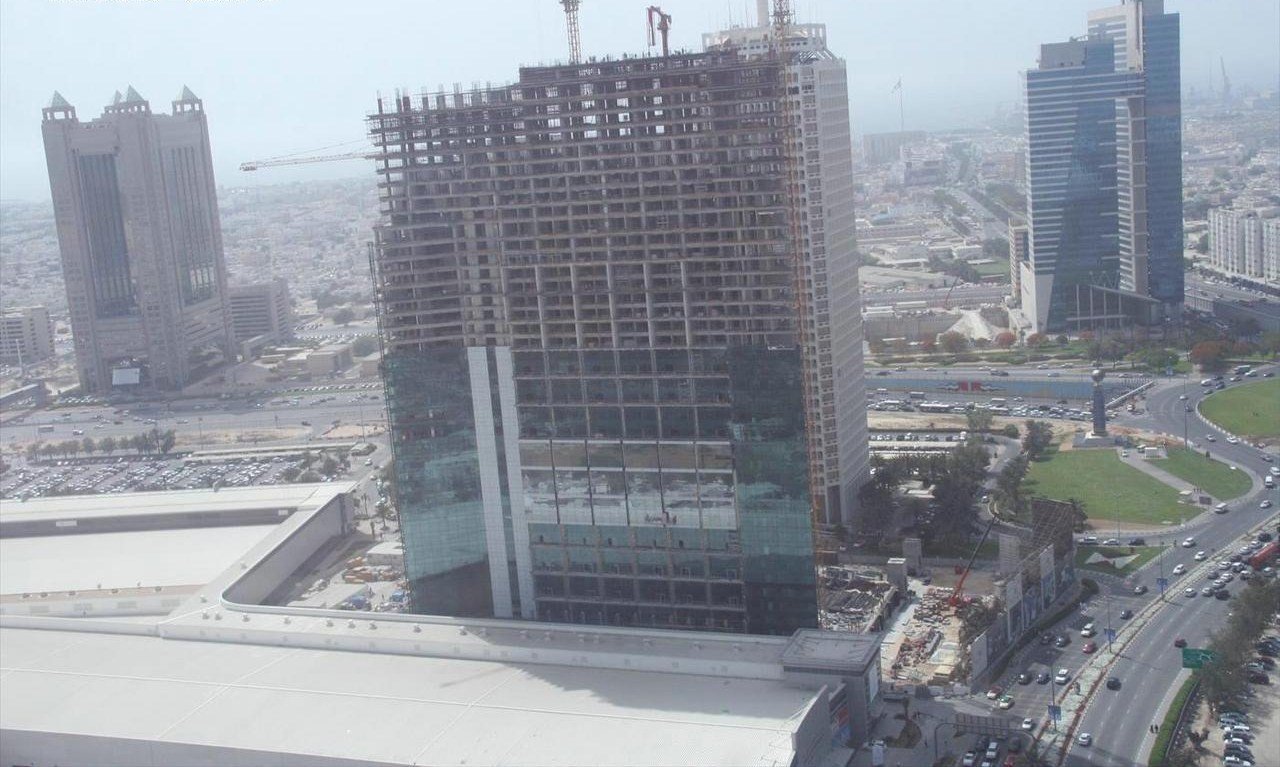
For many companies, a stand at Dubai World Trade Centre is the moment their business becomes real in the Middle East. Buyers fly in from across the region, distributors come looking for brands to represent, and three or four intense days can fill an order book for a year. It is also a serious investment, and first-time exhibitors regularly lose money on avoidable mistakes — late freight, dead power points, a stand team that wilts by day two. This guide walks through the whole journey, from booking your space to surviving breakdown day.
Booking Your Space
You exhibit through the show’s organiser, not directly with the venue, so your first step is choosing the right event and applying via its official website. Space generally comes in two forms. Shell scheme packages give you walls, carpet, a fascia board with your company name, basic lighting and power — ideal for a first show and smaller stands. Space-only bookings give you bare floor, and you design and build a custom stand with an appointed contractor; it costs more and demands earlier deadlines, but it is how the big brands make an impression. Good locations near entrances and main aisles sell first, and returning exhibitors usually rebook before the public sales push. Book as early as you sensibly can, read the cancellation terms, and confirm exactly what your package includes before comparing prices between shows.
The Exhibitor Manual Is Your Bible
Once booked, you will receive access to an exhibitor manual or portal with deadlines for everything: stand design approval, electricity and internet orders, rigging, exhibitor badge registration, freight instructions and insurance. Treat those deadlines as immovable. Late orders for power, furniture or connectivity usually attract surcharges, and some services simply close. Order more power than you think you need, sort hard-wired internet if your demos depend on it (venue Wi-Fi is fine for email, less so for live product streams), and register every team member for badges well ahead — badge queues on build-up day waste hours.
Freight and Build-Up Days
The days before a show opens are a choreographed construction site. Official freight partners handle international shipping, customs and delivery to your stand; if you are shipping product or stand materials from overseas, use the appointed forwarder and respect their warehouse deadlines, because late consignments can miss the show entirely. Local deliveries follow booked time slots at the loading bays — turning up unannounced rarely ends well. During build-up you will need your contractor passes, patience with the marshal yards, and a realistic plan: stands are inspected, electrics are tested, and final snagging always takes longer than expected. Aim to be finished, stocked and photographed the evening before opening, not still unpacking at 9 a.m. on day one.
Working the Show Days
- Staff in shifts — a stand needs fresh faces from doors-open to close; rotate breaks off-peak.
- Capture every lead properly — use the organiser’s lead-retrieval app or your own scanner, and note the conversation, not just the contact.
- Dress for the venue — business attire is the norm at B2B shows; comfortable shoes are non-negotiable on concrete-under-carpet floors.
- Stay hydrated and fed — the concourse cafés are busiest at lunch; many teams pre-order or eat in shifts.
- Work the edges — conferences, matchmaking programmes and evening receptions around big shows are often where the real deals start.
Also plan for visitors’ practical questions: prayer rooms, ATMs and taxi ranks are all inside or beside the complex, and knowing where they are makes your stand team look like locals.
Breakdown and Follow-Up
When the doors close on the final day, breakdown begins almost immediately and runs to strict hours — your freight, stand contractor and team all need a plan before the show ends, not after. Then comes the part that decides whether the show paid for itself: follow up every lead within days, while your conversation is still the most recent one in the buyer’s memory. Send the promised catalogues and quotations, log outcomes honestly, and review what the stand earned against what it cost. Companies that treat DWTC shows as a system — book early, prepare properly, follow up fast — are the ones that come back bigger every year. Confirm the exact dates and exhibitor deadlines for your chosen show on its official page, as editions and schedules change.