
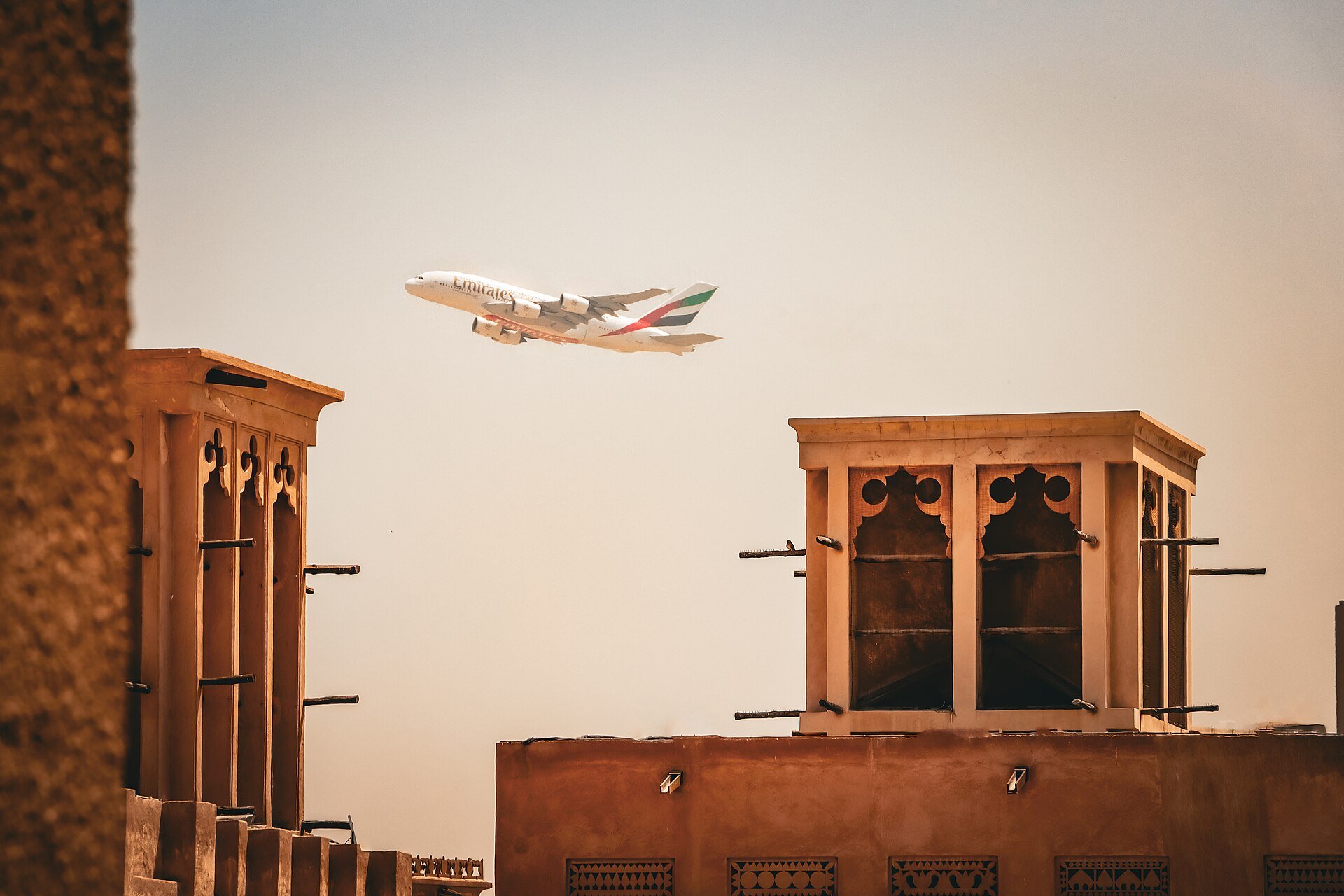
Dubai is often pictured as a single skyline, but its character lives in its neighbourhoods. Each district has its own pace, people, and personality — and together they explain the city far better than any tower can.
The old heart
The neighbourhoods around the creek are Dubai's original city: trading houses, souks, and waterfront lanes where daily life has continued for generations. Walking here feels different from anywhere else in the city — slower, denser, more human in scale. It is the Dubai that existed before the boom, and it still anchors the city's identity.
The waterfront districts
Marina and harbour districts represent modern Dubai at its most glamorous: towers, promenades, restaurants, and beaches, all built for a lifestyle lived partly outdoors. These areas draw residents who want energy, views, and convenience — and visitors who want the postcard version of the city.
Suburban and family neighbourhoods
Further out, villa communities and suburban districts offer a quieter Dubai: parks, schools, community centres, and a slower rhythm. Families, long-term residents, and anyone who prefers green space to high-rises gravitate here, and the sense of community is often strongest in these areas.
Why neighbourhoods matter
For visitors, exploring beyond one district is the fastest way to understand Dubai. For residents, choosing the right neighbourhood shapes daily happiness more than any single amenity. The city's character is not in its skyline alone — it is in the sum of its neighbourhoods, each with its own story, and all of them worth knowing.
Exploring on foot
Dubai rewards walking more than its car-centred reputation suggests: waterfront promenades, heritage lanes, and park circuits are all designed for strolling, especially in the cooler months and evenings. Comfortable shoes, water, and sun protection turn a walk into one of the best free experiences the city offers.