Dubai runs on systems, and a weekend in Bur Dubai sits at the crossing of several of them. Get the sequence right and it is a morning’s work; get it wrong and it follows you for months. Here is the sequence, the paperwork, and the local knowledge that turns a bureaucratic obstacle course into a routine errand.
Timing: when to do what
Timing shapes outcomes here more than most cities. The working week runs Monday to Friday, government counters are calmest early in the morning, and the calendar bends around Ramadan (shorter official hours, slower processing, evenings that come alive) and the summer months, when decision-makers travel and some processes stretch. School, tenancy and visa cycles interlock: a September school start implies a spring application, a summer tenancy signing and documents attested before either.
Plan backwards from the date that cannot move — the lease start, the school term, the visa expiry — and put your own deadlines a fortnight ahead of the official ones. The residents who glide through Dubai’s systems are not better connected; they are simply earlier.
Costs: how to think about the money
Resist any single quoted figure for a weekend in Bur Dubai — including from well-meaning friends. Costs here split into official fees (published, fixed, and worth checking on the authority’s own schedule rather than through an intermediary), market prices (negotiable, seasonal, and different by district), and the hidden third category: the cost of doing it in the wrong order, which usually arrives as a second fee, a second trip or a second deposit.
Build your budget from three live quotes wherever the market is involved, add a contingency you genuinely keep untouched, and treat ‘cheap’ offers that skip official steps as the most expensive option on the table. In Dubai the boring, receipted route is almost always the cheapest route by the end of the year.
📸 Follow @dxbtalkofficial on Instagram for daily Dubai in photos →
Hosting visitors in Bur Dubai
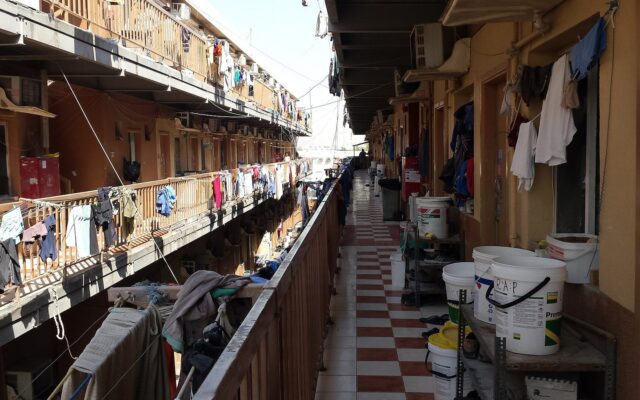
Guests staying with you in Bur Dubai need a plan that mixes the postcard city with your real district — too much of either disappoints. Day one stays local: settle them in, a walk around Bur Dubai — the historic heart of the city on the west bank of the Creek, mixing souks, consulates and dense apartment blocks — the community shop for supplies, and an early night if they have flown far. Save the big-ticket Dubai for day two, when they have their bearings and the jet lag has a shape.
Brief them on the practicalities on arrival: the weekend rhythm (Friday-Saturday), prayer-time pauses in some services, photography etiquette, dress expectations in malls and old districts, and the heat rules for the season you are in. Ten minutes of briefing saves a weekend of friction.
The two-day shape
Day two, morning: one headline sight (Burj Khalifa/Downtown, the Creek and souks, or the Palm/Marina axis — pick one, not all three) done early before crowds and heat. Afternoon: rest, pool or mall air-conditioning. Evening: the dinner you have been saving, ideally in a district with a view or a story, then a walk. Day three, if you have it, belongs to Bur Dubai again — brunch, the local park or beach side, and the airport run timed generously.
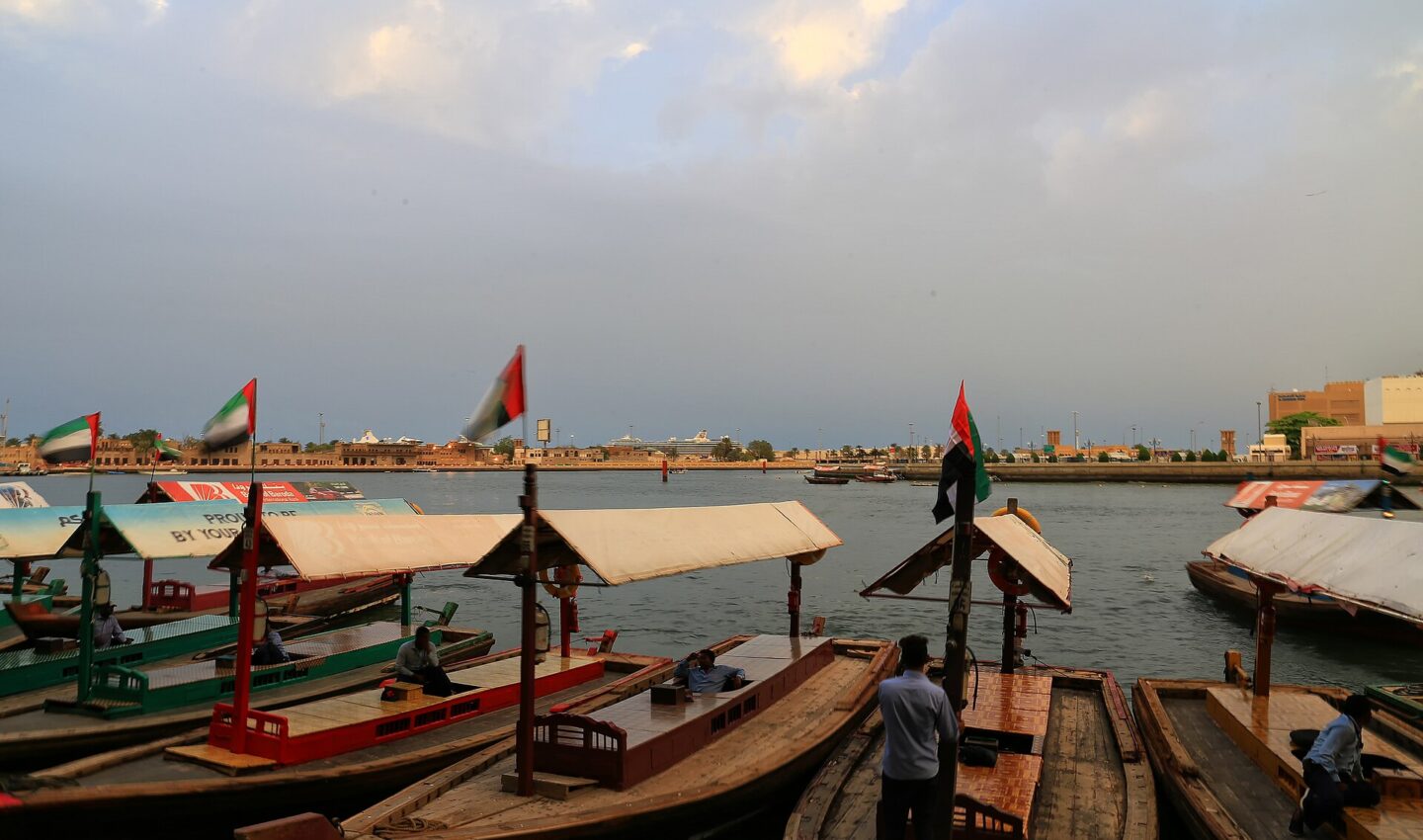
What guests remember is rarely the tallest building; it is the cafeteria breakfast, the abra ride, the sunset from your district’s edge. Build the plan around two or three such moments and let the rest be easy. Keep taxis and Careem as the default for guests — first-time metro navigation with luggage and jet lag is a false economy.
The seasonal angle
Almost everything in Dubai has a season. Summer compresses life indoors and slows some official processes as people travel; the winter months crowd the diaries, the roads and the appointment systems; Ramadan reshapes working hours and the rhythm of the day itself. Where timing is yours to choose, choose deliberately: the same task can be a calm errand in one month and a campaign in another, purely because of when the whole city is trying to do it too.
Common questions
Where do residents get reliable local detail?
Community groups for your district, school or workplace hold the lived detail — which branch is quick, what the process felt like last month. Combine that texture with the official source for the rule itself, and you have the full picture.
Can I do most of this online?
Mostly, yes — Dubai has moved the majority of resident transactions into official apps and portals. The steps that still need your presence are usually biometrics, medicals, signatures and original-document sighting. Start online, and attend in person only for the step that requires your body.
What is the most common mistake?
Acting on out-of-date advice. Systems here change yearly; a friend’s experience from a previous contract or a previous visa is a starting point, not a rule. The second most common mistake is paying an intermediary for a step the official app handles directly.
Where do residents get reliable local detail?
Community groups for your district, school or workplace hold the lived detail — which branch is quick, what the process felt like last month. Combine that texture with the official source for the rule itself, and you have the full picture.
The bottom line
The pattern underneath a weekend in Bur Dubai is the pattern underneath most of Dubai life: the systems work, the paperwork is the price, and preparation is the discount. Do it once, properly, and you join the residents who find this city easy. More step-by-step resident guides live at dxbtalk.com.