

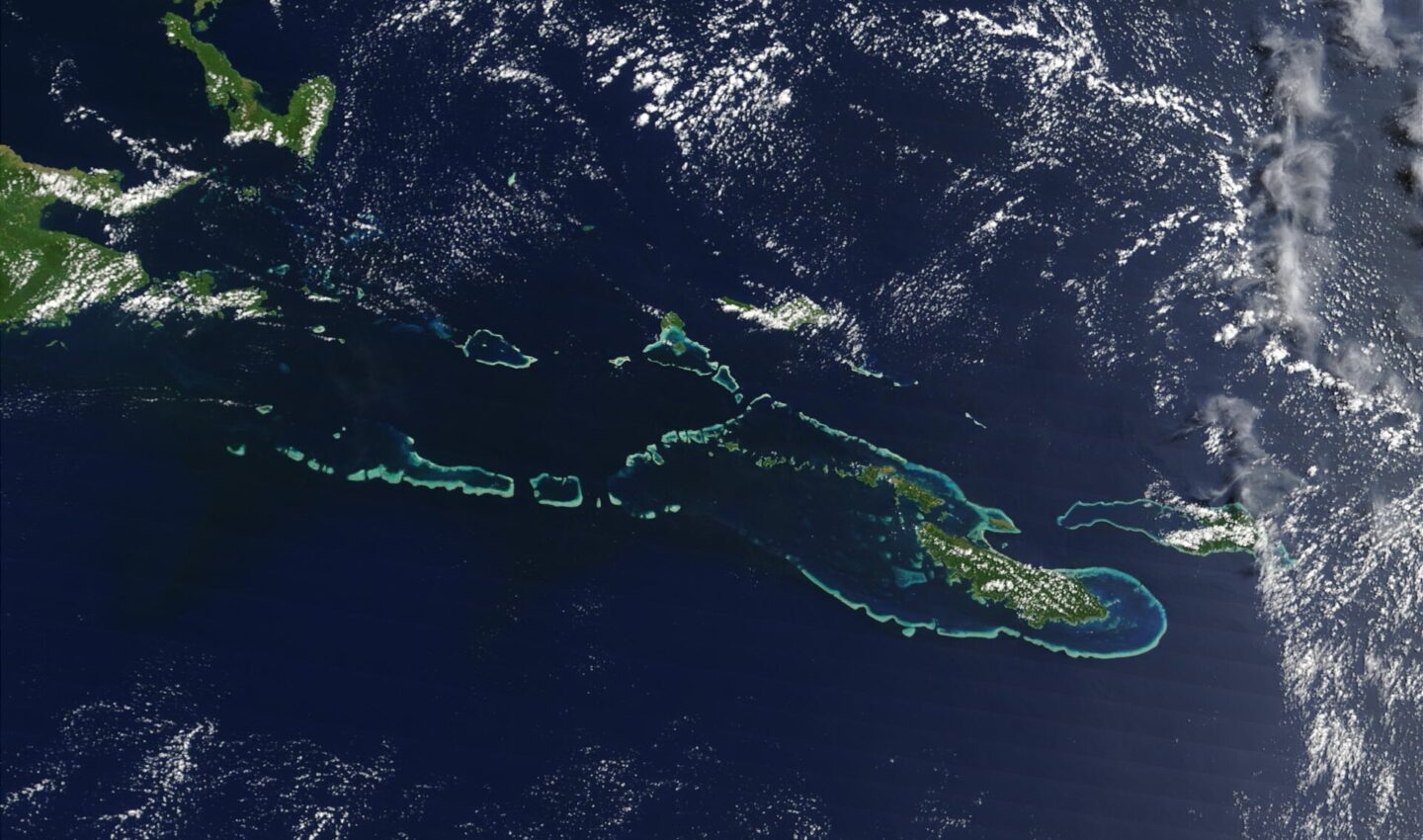
Moving from the Solomon Islands to Dubai is one of the longest relocations on Earth — roughly 13,000 kilometres and two or three flights — so planning matters more than for almost any other move. The good news is that Dubai’s systems are orderly once you arrive: your employer or sponsor handles most of the visa machinery, housing is plentiful, and the city is built for newcomers. This guide covers the whole journey, from visas and packing in Honiara to your first weeks of work, school and daily life in the Emirates.
Before You Leave: Visa, Job and Documents
Almost nobody relocates from the Solomon Islands to Dubai speculatively: you need a confirmed job, a place on a programme, or a sponsor first, because you cannot work on a visit entry. Your employer applies for your entry permit and work permit, arranges your medical test and Emirates ID after arrival, and issues your residence visa. Before leaving home, gather these documents and keep originals, copies and phone photos of each:
- Passport valid for at least six months (apply for renewal early if it is close — Solomon Islands passport processing can be slow)
- Birth certificate and, if applicable, marriage certificate
- Education certificates and transcripts, especially for professional roles
- Police clearance certificate if your employer asks for one
- Employment contract and offer letter from your UAE employer
Documents for official UAE use may need attestation through Solomon Islands authorities and then UAE legalisation. Ask your employer’s HR exactly which documents they need attested, and start early: with no UAE mission nearby, the chain can route through another country and take weeks.
The Journey and What to Pack
There are no direct flights: the usual route runs Honiara to Brisbane (or another Australian or Pacific gateway), then onward via Asia or directly to Dubai, or westward through Asian hubs. Book as a single ticket where possible so baggage transfers automatically and the airline protects you if a connection is missed. Dubai is a Muslim-majority, hot-climate city, but daily dress is practical: lightweight clothing, one set of modest clothes for visiting official places and religious sites, and a light jacket — air conditioning is fierce. Pack adapters (the UAE uses British-style three-pin plugs), any prescription medicines with a copy of the prescription, and a small stock of home essentials you will not find easily here, such as favourite Pacific foods. Most other things — from rice and tropical fruit to island-style clothing — are available in Dubai’s huge supermarkets and its large Pacific and Asian expat communities’ stores.
Your First Two Weeks in Dubai
- Complete your medical fitness test and Emirates ID biometrics — your employer usually books these.
- Open a bank account once your Emirates ID is issued; many employers pay salaries only into UAE accounts.
- Get a local SIM card (du or Etisalat) at the airport or a mall, using your passport or Emirates ID.
- Find longer-term housing after seeing areas in person; many newcomers start in a hotel apartment for the first month.
- Register children for school if your family is joining you, and arrange health insurance — employers must provide cover in Dubai, but check what it includes.
As a guide to first-month costs, budget around AED 3,000–6,000 for a modest hotel apartment month, AED 1,000–1,500 for food if you cook, and a refundable housing deposit (typically 5% of annual rent) once you sign a lease.
Money, Housing and Daily Life
Rents vary enormously: as a guide, a studio in areas popular with new arrivals typically runs around AED 30,000–50,000 per year, paid in one to four cheques, while sharing or company accommodation reduces this sharply. Many Solomon Islanders arrive on contracts where the employer provides housing, transport or allowances — read your contract carefully to know which. The UAE dirham does not convert directly with Solomon Islands dollars through most local exchanges, so sending money home usually routes through an international transfer service or bank in AUD or USD; compare rates carefully (see our money transfer guide for details). Dubai life runs on apps: taxis, food delivery, government services and banking are all phone-based, and English is the working language everywhere, which makes settling in far easier than the distance suggests.
FAQ
Can I move to Dubai without a job offer?
Realistically, you need a job, sponsor or study place arranged first. You cannot work on a visit visa, and enforcement is strict. Secure the offer, then let your employer drive the visa process.
How long does the whole relocation take?
From signed offer to arrival is typically six to twelve weeks, mostly waiting on document attestation and permit approvals. The flights themselves take around a day and a half with connections.
What should I budget for the first month?
As a guide, around AED 5,000–8,000 if your employer does not provide initial housing, less if accommodation is included. Confirm what your contract covers before you fly.
A move this long rewards patience and paperwork done in the right order — after that, Dubai is an easy city to land in. For help with every stage of settling in, visit DXB Talk and browse the Dubai category.



